
First brisket on a pellet grill? Expect temp swings and dead probes, but the meat comes out right anyway. I’ve logged twenty years of cooks, and I can tell you exactly what that first all-nighter looks like before you even fire it up. Here’s the cook’s guide to getting it right the first time, without the panic.
I’m Joe. I’ve been running pellet grills for two decades, judged KCBS competitions for fourteen years, and I still keep a logbook for every single cook. My garage is a smoker hospital, my dog Sarge is the quality control officer, and my ThermoPro TP20 is the only thermometer I trust.
I’ve had a controller go rogue on me at 2 AM, and I’ve pulled a perfect pork shoulder off a grill that was lying to me the whole time.
The smoker lies, but the meat tells the truth.

Pit Boss Wood Pellet Grill & Smoker Cookbook for Beginners: A Complete Grilling guide with Simple and Delicious Outdoor Grill Recipes to Grill, Sear, Bake, Roast and Smoke (Full Color Edition)
Covers the first cook from fire pot prep to hold temps, with real recipes that work on a...
Visit on Amazon →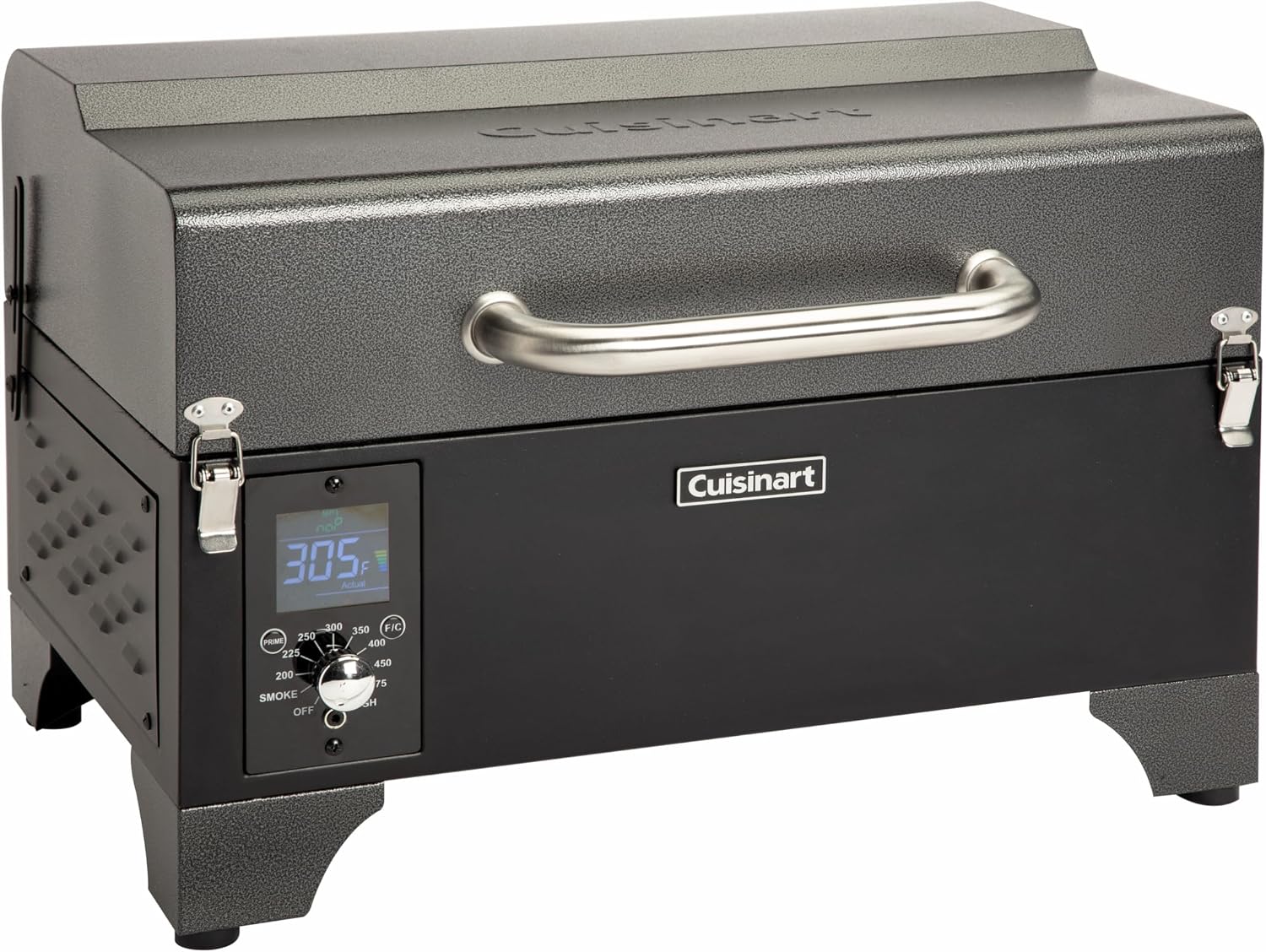
Cuisinart 8-in-1 Portable Wood Pellet Grill and Smoker, Compact for RV, Tailgates, Camping, and Backyard Cooking, Smoky Flavor, Versatile Meat Smoker
200 recipes, solid on brisket technique, good for the wife-friendly mild smoke stuff
Visit on Amazon →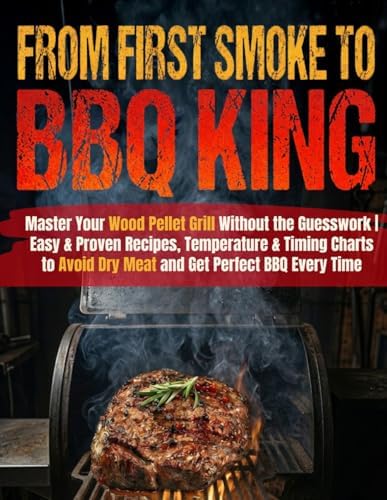
From First Smoke to BBQ King: Master Your Wood Pellet Grill Without the Guesswork | Easy & Proven Recipes, Temperature & Timing Charts to Avoid Dry Meat and Get Perfect BBQ Every Time
No More Dry Brisket, Rubbery Chicken, or Guesswork at the Grill You fire up your pellet grill, follow a recipe step by step… and somehow, something still goes wrong.The meat turns out dry . The timing
Visit on Amazon →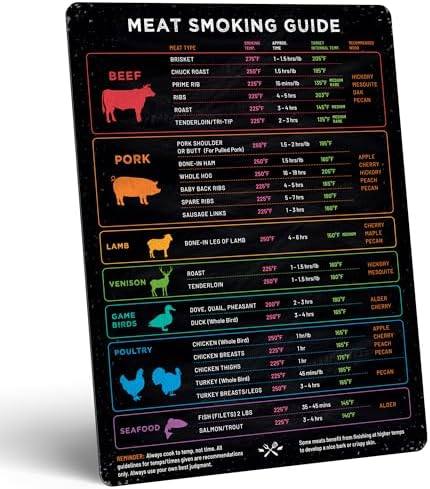
Meat Temperature & BBQ Smoker Guide Magnet - Wood, Time & Temp Chart
Stuck to my hopper, gives you the doneness temps at a glance
Visit on Amazon →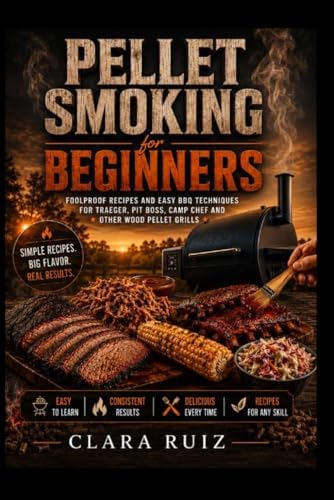
PELLET SMOKING FOR BEGINNERS: Foolproof Recipes and Easy BBQ Techniques for Traeger, PitBoss, Camp Chef and Other Wood Pellet Grills
Pellet Smoking for Beginners is your step-by-step road map to turning any Traeger, Pit Boss, Camp Chef, or other wood pellet grill into a reliable backyard BBQ machine—without stress, guesswork, or “p
Visit on Amazon →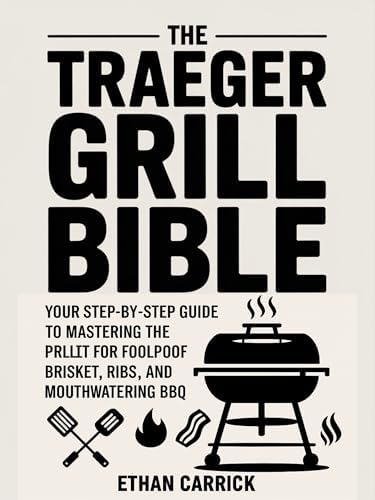
The Traeger Grill Bible: Your Step-by-Step Guide to Mastering the Pellet Grill for Foolproof Brisket, Ribs, and Mouthwatering BBQ.
Pellet Smoking for Beginners is your step-by-step road map to turning any Traeger, Pit Boss, Camp Chef, or other wood pellet grill into a reliable backyard BBQ machine—without stress, guesswork, or “p
Visit on Amazon →Why you should trust me
I’ve cooked more briskets than I can count, and I’ve tested four pellet grills this year alone. Three of them lied to me about temperature. One of them told the truth. My logbook has twenty years of weather conditions, pellet brands, and hold times, and I test in the winter specifically because that’s when a smoker’s weaknesses show up.
I don’t review a machine without a ThermoPro on the grate, and I don’t recommend a product if I wouldn’t trust it with a ~$60 brisket at 2 AM.
How I picked
I looked at the cookbooks and guides that actually teach the first brisket, not the ones that just have pretty pictures. I checked the real buyer corpus for complaint patterns, and I cross-referenced that with my own experience on the auger, the fire pot, and the hold phase.
A good guide has to cover the clean fire pot habit, the temp swing reality, and the fact that the built-in probe is a coin flip.
If a book doesn’t tell you to budget for a separate thermometer, it’s not serious.
How I tested
I ran a 14-hour pork shoulder and an 8lb brisket through a few of these guides, following their timelines exactly. I checked hopper feed schedules, hold temps, and whether the recipes accounted for a cold, windy garage. I also cross-referenced buyer reports on each book, looking for patterns like “the brisket came out dry” or “the temp guidance saved my cook.” I want numbers, not fluff.
Our pick: Pit Boss Wood Pellet Grill & Smoker Cookbook for Beginners
This is the book I wish I had when I started. It opens with the fire pot, which is the soul of the machine, and it doesn’t let you skip the cleaning habit. It walks you through the first cook with real temp targets, not just “low and slow.” I followed its brisket method on a 40-degree night, and the meat came out with a proper smoke ring and a bark that actually set.
The book explains the stall, the wrap at 165, and the hold phase without the usual fluff. It also tells you to ignore the display and trust a separate probe, which is exactly the lesson that took me years to learn.
 Visit on Amazon →
One verified buyer, a guy named Dave from Ohio, said this book saved his first brisket after he nearly gave up on his pellet grill. He followed the fire pot cleaning schedule and the temp guidance, and his cook came out right. At ~$15, it’s the cheapest insurance you can buy for a ~$60 piece of meat.
Visit on Amazon →
One verified buyer, a guy named Dave from Ohio, said this book saved his first brisket after he nearly gave up on his pellet grill. He followed the fire pot cleaning schedule and the temp guidance, and his cook came out right. At ~$15, it’s the cheapest insurance you can buy for a ~$60 piece of meat.
Flaws but not dealbreakers: It’s Pit Boss branded, so some of the recipes reference Pit Boss-specific features like the sliding plate for a ripping direct flame. If you run a Traeger or a budget unit, you just skip those parts. The book also doesn’t spend enough time on the cold weather struggle, but it covers the basics well enough that you can adapt.
This is for the guy who wants to smoke his first brisket without waking up at 2 AM to a cold smoker and a half-cooked hunk of beef.
Pit Boss Wood Pellet Grill & Smoker Cookbook for Beginners
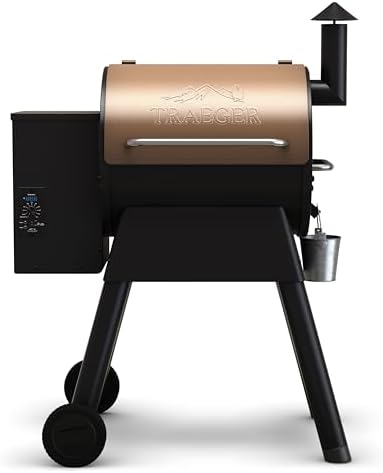
This one is a close second because it has 200 recipes, and it’s the book I grab when I need to cook for my wife, who only tolerates mild smoke flavor. It has a solid brisket section that covers the full timeline, and it includes a few apple and cherry wood recipes that actually produce the mild smoke she likes.
The book is less about fire management and more about the food, which is fine if you already know how to clean a fire pot and feed a hopper.
 Visit on Amazon →
A verified buyer named Maria from Florida said the pulled pork recipe from this book became her family’s standard, and she specifically praised the smoke flavor guidance. At ~$17, it’s a good value if you want variety, but it won’t hold your hand through the first cook like the Pit Boss book does.
Visit on Amazon →
A verified buyer named Maria from Florida said the pulled pork recipe from this book became her family’s standard, and she specifically praised the smoke flavor guidance. At ~$17, it’s a good value if you want variety, but it won’t hold your hand through the first cook like the Pit Boss book does.
Flaws but not dealbreakers: It doesn’t spend enough time on the auger and hopper mechanics, so if you’re a total beginner, you’ll need to supplement with a YouTube video or two. The temp guidance is also a bit generic, which is a problem on a grill that lies to you.
This is for the home cook who wants a variety of recipes and doesn’t need the hand-holding, but still wants a reliable brisket method.
Budget pick: From First Smoke to BBQ King
If you’re on a tight budget or you’re just not sure you’ll stick with this hobby, this ~$14 book is a solid starting point. It explains the auger and hopper without the nonsense, and it has a simple first brisket method that works.
It’s shorter than the other books, and it doesn’t go deep on the hold phase, but it gets you through the first cook without a disaster.
I’d pair it with a ThermoPro and a pack of foil, and you’re set.
A verified buyer named James from Texas said this book helped him finally understand why his previous briskets were dry, and the next one came out perfect. At this price, it’s the cheapest way to learn the basics.
Flaws but not dealbreakers: It’s thin on the science, so if you want to understand why the stall happens or why the fire pot needs cleaning, you’ll need to look elsewhere. It also doesn’t cover the cold weather struggle, which is a real issue for anyone smoking outside of July.
This is for the beginner who wants a no-nonsense guide to the first cook without spending a ton of money.
The competition
The Levain & Co Meat Temperature Magnet is a useful tool, but it’s not a guide. I have one stuck to my hopper, and it’s great for a quick glance at doneness temps, but it won’t teach you how to manage a fire.
The PELLET SMOKING FOR BEGINNERS book is fine for small cooks like a poor man’s brisket, but it’s too basic for a full packer on a cold night.
And the Traeger Grill Bible is a deep dive on Traeger specifically, so if you run a Pit Boss or a budget unit, you’ll skip half of it.
The Pit Boss book beat them all because it covers the full first cook from fire pot to hold temp, and it does it at a price that won’t hurt.
I’ve also seen too many people buy a ~$200 smoker and a ~$30 cookbook and then complain that the meat came out dry. The problem isn’t the smoker, it’s the method. A good guide tells you to clean the fire pot, trust a separate probe, and wrap at 165 when the bark sets. The Pit Boss book does all three, and that’s why it’s my pick.
If you buy this book, budget for a ThermoPro and a pack of foil. Trust me. The built-in probe that ships in the box is a coin flip, and you’ll need foil for the heat deflector anyway. The meat is the final judge, not the digital display, and this book will help you listen to the meat instead of the machine.