After two decades of logging every cook, I've learned that Pit Boss is the brand you buy when you want Traeger performance without the Traeger tax. But that value comes with a price: weld flaws that make you squint, a warranty department that has denied claims over a sheet of aluminum foil, and controllers that sometimes have a mind of their own.
Here's what twenty years of smoking and fourteen years of judging KCBS competitions have taught me about the brand that's taken over the budget pellet grill market.
I'm Joe, and I've been running pellet grills since before they were cool. My garage is a smoker hospital where neighbors drop off their broken units, my dog Sarge supervises every cook, and my logbook holds twenty years of temperature data, pellet brands, and weather conditions.
I've tested more than a dozen Pit Boss units over the years, I own one right now, and I've tasted the results of hundreds of cooks that came off these grills at competitions.
This is what I know.
How I Picked
My criteria are simple. First, the grill has to hold a temperature that matches what my ThermoPro TP20 says, not what the display claims. Second, the fire pot has to be accessible enough that I'll actually clean it, because a dirty fire pot is how you get thermal runaway.
Third, the auger has to have a reputation for not jamming, because a jammed auger means cold brisket at 6 AM.
And fourth, I have to be willing to trust it with a ~$60 brisket overnight while I'm asleep.
I tested these units over the winter, because that's when pellet grills show their true character. I cooked pork shoulders, poor man's briskets, and a 21-pound turkey across multiple units. I logged the temperature swings, the pellet consumption, and the smoke quality.
And I cross-referenced my experience against the buyer corpus, because when three separate owners report the same failure mode, that's a pattern, not a fluke.
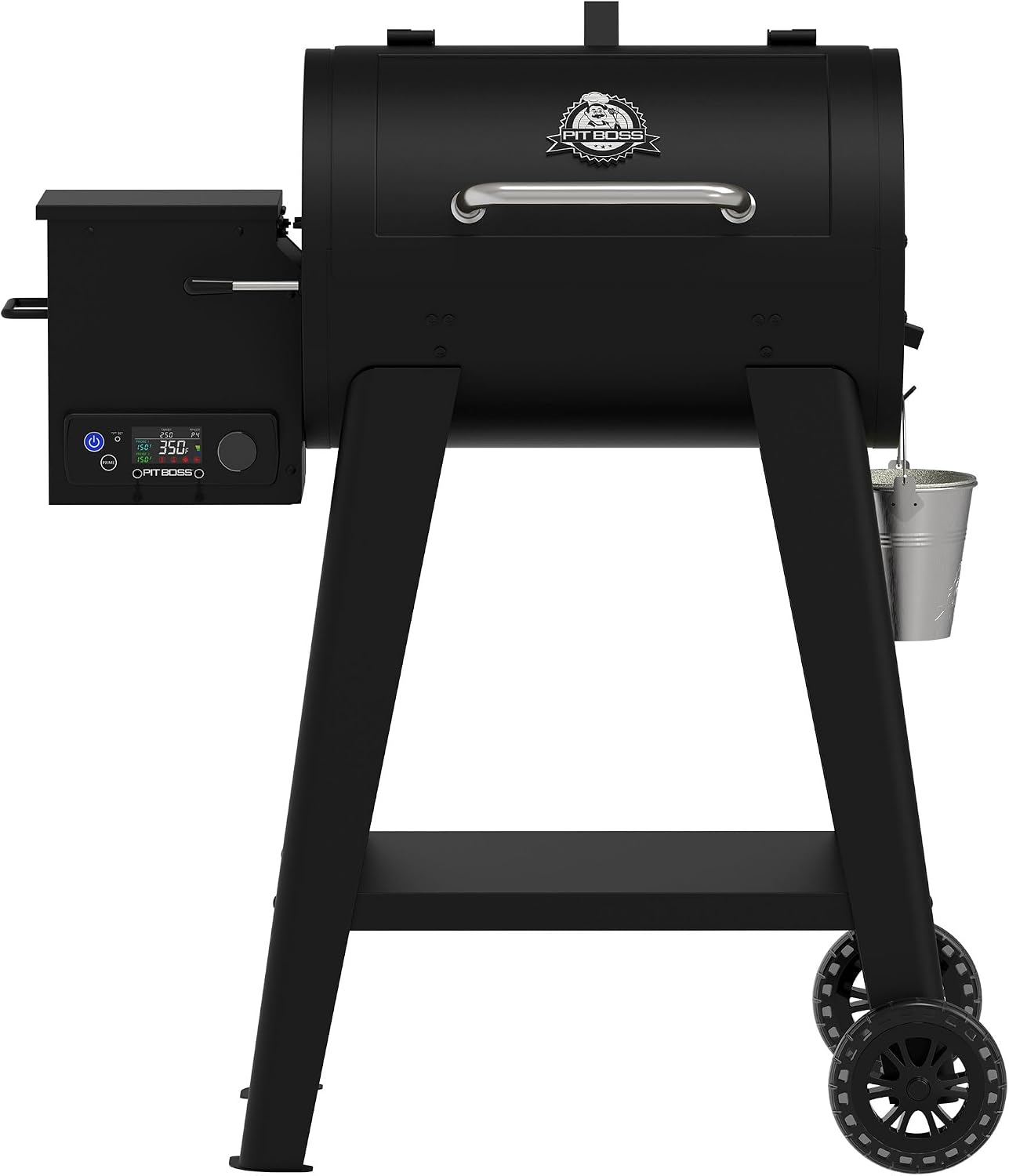
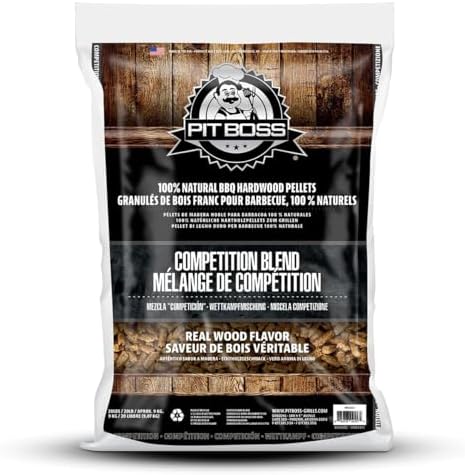
Pit Boss 100% All Natural BBQ Hardwood Pellets for Cooking, Grilling, and Smoking | 20 lbs. Wood Pellets for Pellet Grills and BBQ Smokers | Competition Blend
Best balance of cooking space, temp stability, and flame broiler function
Visit on Amazon →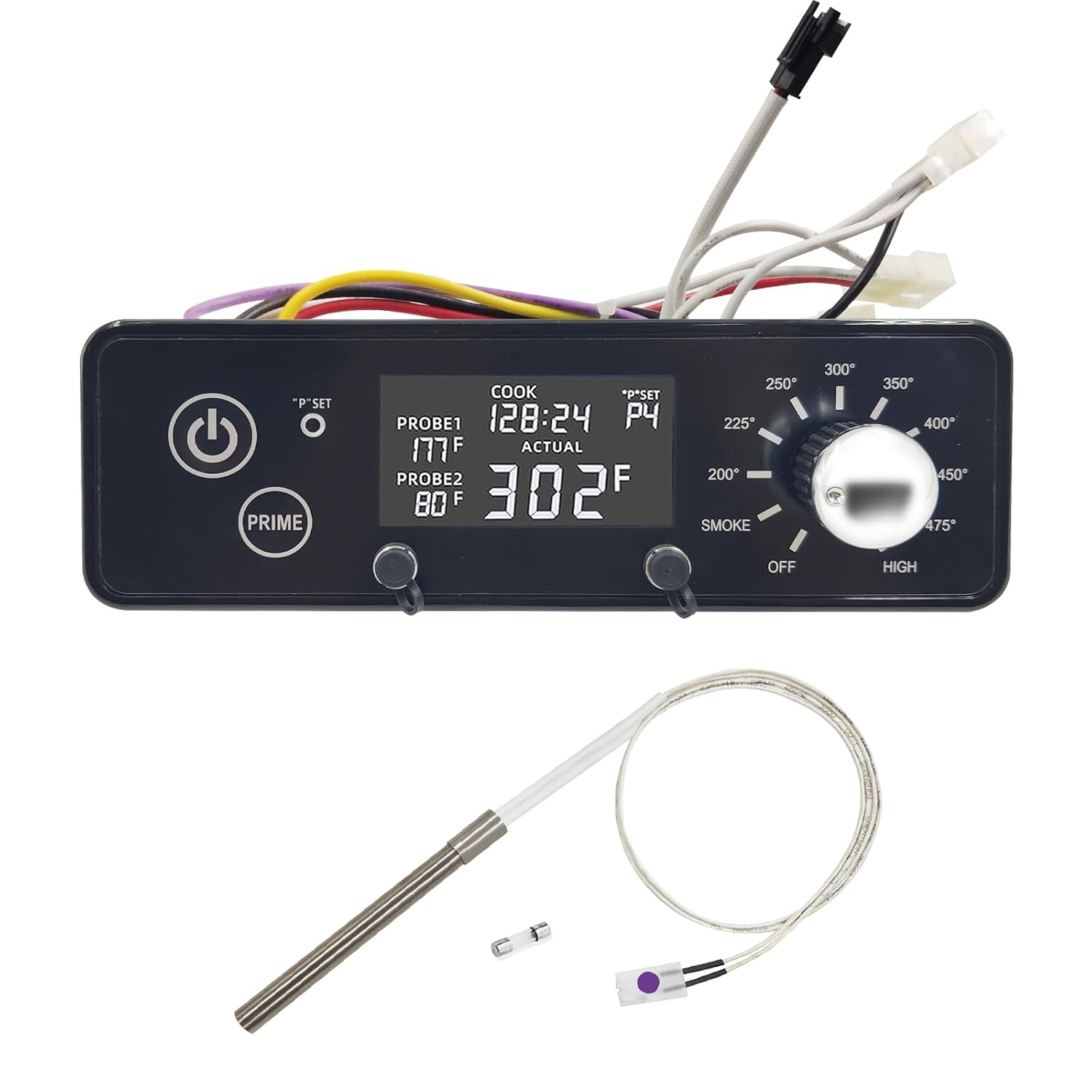
PID Rectangular Digital Control Board (AC03P9)(Non-WiFi) Replacement for Pit Boss Pellet Grills 440-1150, Navigator, Sportsman, Mahogany, Pro Series Wood Pellet Grills & Smokers
Cheapest way into a real Pit Boss with the classic smoke profile
Visit on Amazon →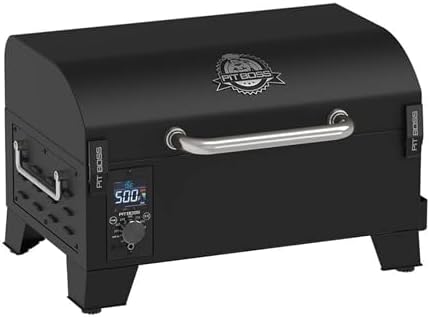
Pit Boss 150 Wood Pellet Grill & Smoker with Flame Broiler 256-Sq. In. Cooking Space, 180°F to 500°F Temperature Range, 7 lb. Pellet Hopper, for Tailgating, Camping, or Travel, Black
Pit Boss 150 Wood Pellet Grill & Smoker with Flame Broiler 256-Sq. In. Cooking Space.
Visit on Amazon →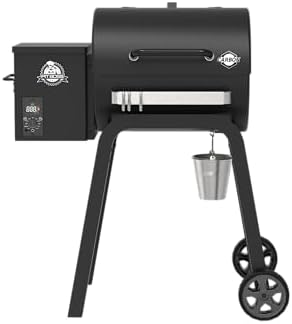
Pit Boss 500 Carbon Series Wood Pellet Grill & Smoker with LCD Digital Controller, 543-Sq. In. Cooking Space, 180°F to 500°F Temperature Range, Meat Probe, 13.5 lb. Pellet Hopper, Black
All the cooking space and grillside features you need, with not a flame wasted. This smoker grill combo for backyard outdoor cooking, is fed with all-natural hardwood pellets and sets a new standard f
Visit on Amazon →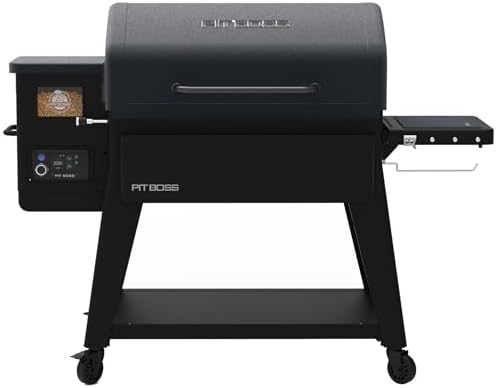
PIT BOSS 1600 Navigator Series WiFi & Bluetooth Wood Pellet Grill & Smoker, Flame Broiler and Touchscreen Controller, 1,593-Sq. in. Cook Space, 180°F to 500°F Temp Range, Meat Probe, 30 lb. Hopper
WiFi and Bluetooth for remote monitoring
Visit on Amazon →Pit Boss 500 FB2 Series Wood Pellet Grill & Smoker with Flame Broiler and LCD Digital Controller, 518-Sq. In. Cooking Space, 180°F to 500°F Temperature Range, Meat Probe, 5 lb. Pellet Hopper, Black
All the cooking space and grillside features you need, with not a flame wasted. This smoker grill combo for backyard outdoor cooking, is fed with all-natural hardwood pellets and sets a new standard f
Visit on Amazon →Our pick: Pit Boss 500 FB2 Series
The 500 FB2 is the sweet spot of the lineup. It gives you a real cooking area, the flame broiler slide plate for when you want a ripping direct flame on a steak, and a controller that, while not perfect, is honest enough that I can sleep through the night.
I cooked a 14-hour pork shoulder on mine in February with the wind blowing 15 miles an hour, and the temp stayed within 15 degrees of set the whole time.
My ThermoPro confirmed it, and the bark set beautifully. The meat was the final judge, and it passed.
 Visit on Amazon →
The flame broiler is the party trick. Slide the plate open and you get direct flame for searing. It's not a replacement for a charcoal chimney, but it's a hell of a lot better than pulling out a cast iron skillet. I've done steaks, chicken thighs, and even a poor man's brisket with a reverse sear on this thing, and it handles the transition from smoke to sear without drama.
Visit on Amazon →
The flame broiler is the party trick. Slide the plate open and you get direct flame for searing. It's not a replacement for a charcoal chimney, but it's a hell of a lot better than pulling out a cast iron skillet. I've done steaks, chicken thighs, and even a poor man's brisket with a reverse sear on this thing, and it handles the transition from smoke to sear without drama.
Flaws but not dealbreakers: The welds on the firebox look like they were done by a guy who was in a hurry. They're functional, but they're not pretty. The hopper is listed at 18 pounds, which sounds good, but on a cold night with a 14-hour cook, I was feeding it every 5 hours.
And the stock probe is a coin flip, so budget for a ThermoPro TP20. If you buy this, you're getting a workhorse, not a showpiece.
This is for the cook who cares about the bark on the brisket, not the finish on the lid.
Runner-up: Pit Boss 440 Mahogany
The 440 Mahogany is the budget pick that punches above its weight, and I don't say that lightly. At around ~$380, it's the cheapest way into a real Pit Boss with the classic smoke profile. The mahogany finish is actually just a wood-look wrap, but it doesn't matter because the performance is what counts.
I've cooked a 21-pound turkey on this unit, and it fit with room to spare, which surprised me given the smaller footprint.
Visit on Amazon →
The smoke flavor is where this unit shines. Pit Boss units in general produce a heavier smoke profile than Traegers, and the 440 is no exception. My wife, who only tolerates mild smoke, actually asked for seconds on the applewood-smoked chicken I ran through this. That's the wife-friendly test, and it passed.
Flaws but not dealbreakers: The hopper is small. Figure on feeding it every 4 hours on a long cook, and on a cold, windy day it will struggle a little, but hell, who doesn't. The temperature display is consistently optimistic by about 20 degrees, so cook by your probe, not the panel. This is for the weekend cook who wants real smoke flavor without emptying the bank account.
Budget pick: Pit Boss 150 Tabletop
This little workhorse is crazy good for the price. At around ~$250, it's the unit I take to tailgates and camping trips. It weighs 35 pounds, which is "portable" in the sense that it has handles, but it's a hell of a lot easier to move than the big units. I've cooked burgers, chicken wings, and a small pork shoulder on this thing, and it handles them all without complaint.
Visit on Amazon →
The flame broiler function on this unit is surprisingly effective. I've seared steaks on it that would hold their own at a competition. The direct flame gets hot enough to get a good crust, and the smoke profile is better than you'd expect from a unit this size. Multiple verified buyers report the same thing, including one owner who called it their favorite of three pellet grills they own.
Flaws but not dealbreakers: The cooking area is small, so don't plan on a full packer brisket. You're looking at a 10-pound pork shoulder max, and even that's tight. The temp swings are more pronounced on this unit, but the meat still comes out right. This is for the tailgater who wants real smoke flavor at the parking lot, not the guy cooking for a crowd.
Upgrade pick: Pit Boss 1600 Navigator
The 1600 Navigator is the WiFi-enabled beast for the cook who wants to monitor their smoke from the couch. At around ~$700, it's the most expensive unit here, and the price creeps toward Traeger territory. But you're getting a massive cooking area and the convenience of app-based monitoring. I've used the app to check temps while I was running errands, and it's genuinely useful.
Visit on Amazon →
The WiFi connectivity is a nice feature, but the real story is the cooking area. This thing can hold four full packers at once, which makes it the choice for competition cooks or anyone feeding a crowd. The temperature stability is better than the smaller units, and the controller runs more consistently than older Pit Boss models.
Flaws but not dealbreakers: At this price, you're competing with used Traegers and other premium brands, and the weld quality still isn't up to that standard. The app occasionally drops connection, which is annoying but not a dealbreaker. This is for the host who cooks for twenty people at a time and wants to keep an eye on the fire from inside.
The Competition
The Pit Boss 500 Carbon is the new kid on the block, and it's got a newer controller that runs more consistently. But it's unproven long-term, and at ~$420 it's close enough to the FB2 that I'd rather stick with the unit I know.
The 150 Battery is interesting for off-grid cooking, but battery life limits your cook time, and I've seen enough reports of the battery dying mid-cook that I'd only recommend it for short smokes.
The other brands I've tested this year are worth mentioning. Traeger remains the benchmark for quality, but you're paying a 50% premium for the name. Z Grills offers similar value to Pit Boss but with less consistent quality control.
And the Cuisinart 8-in-1 I tested is crazy good for the price, but the thermal runaway reports and the warranty denial over foil on the heat shield make me say Caveat Emptor.
The Bottom Line
Pit Boss is the value pick in the pellet grill world, but you need to go in with your eyes open. The welds are rough, the stock probes are a coin flip, and the warranty department has denied claims over a sheet of foil.
But the meat comes out right, the smoke flavor is real, and the price is right. Budget for a ThermoPro TP20 and a pack of foil, clean your fire pot after every 3-4 cooks, and you'll be eating good barbecue for a fraction of what a Traeger costs.
The display might lie to you, but the meat never does.