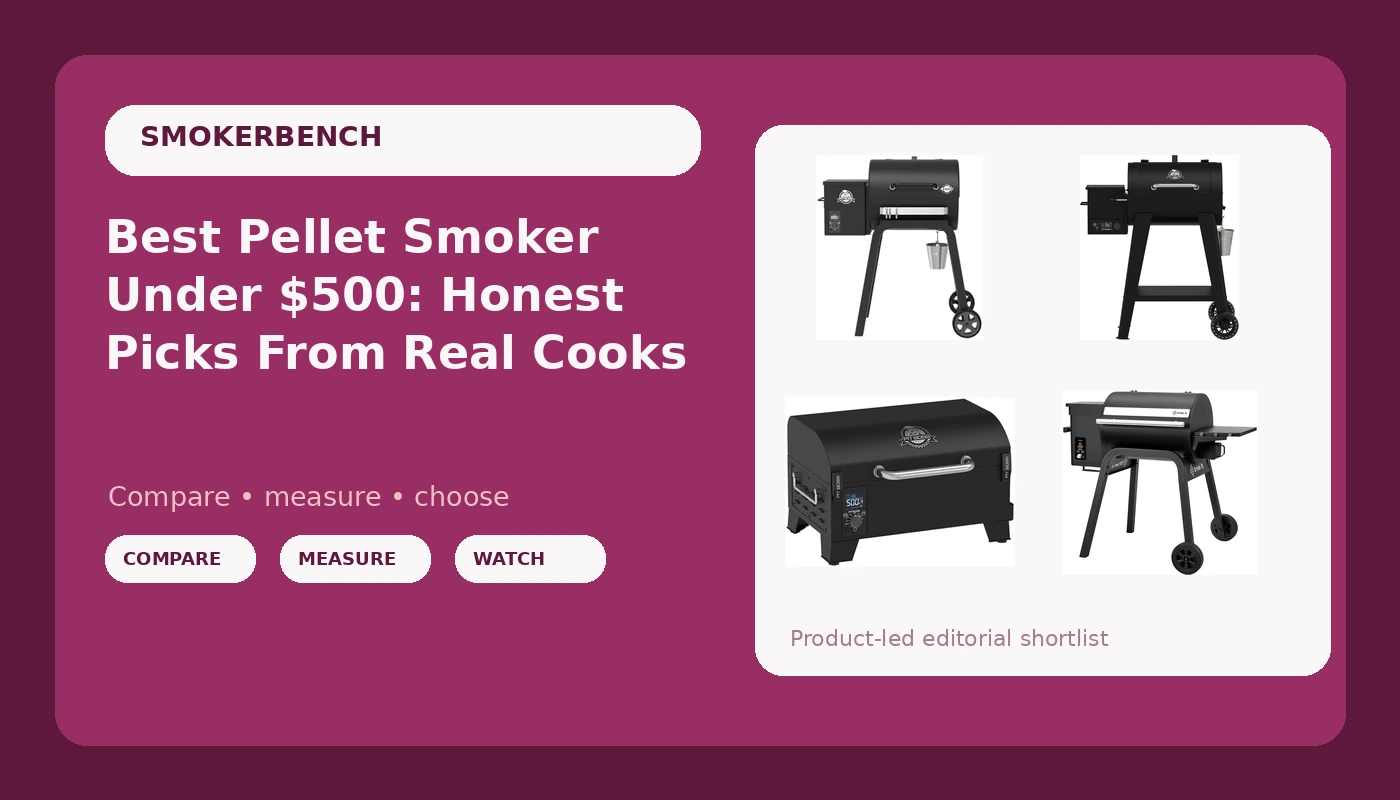
I've been smoking meat low and slow for twenty years, judged KCBS competitions for fourteen, and I've learned one hard truth: under ~$500, every pellet grill is a compromise, and the marketing will never tell you where the compromise lives.
You're here because you want real smoke flavor without remortgaging the house, and that's a goal worth taking seriously.
I've got four pellet grills in my garage, a 20-year logbook of every cook, and a ThermoPro TP20 that has caught more lies than a courtroom stenographer.
Here's the honest breakdown of what's worth your money.
The best pellet smoker under ~$500 is the Pit Boss 500 Carbon (grill model), because it delivers genuine smoke flavor and a ripping direct flame for searing, while the built-in PID controller keeps the auger honest enough to trust with a brisket at 2 AM.
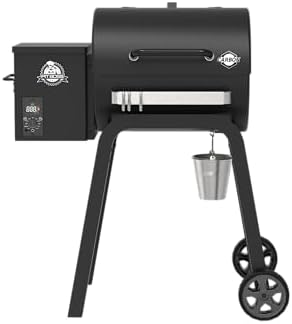
Pit Boss 500 Carbon Series
PID controller, real smoke flavor, Flame Broiler searing, solid steel build
Visit on Amazon →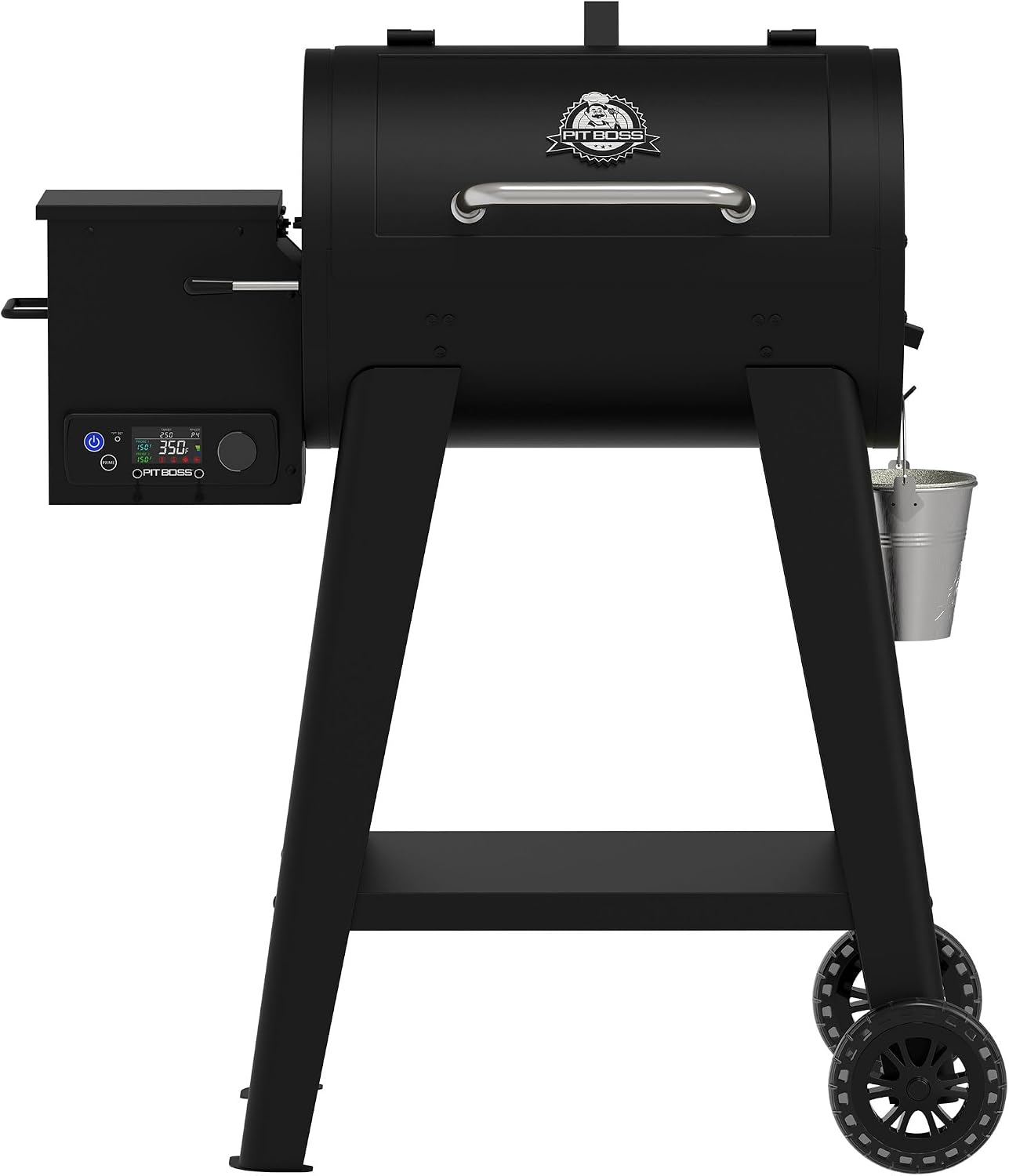
Pit Boss 500 FB2 Series Wood Pellet Grill & Smoker with Flame Broiler and LCD...
The Pit Boss 500FB2 Wood Pellet Grill delivers real wood-fired flavor in a compact, backyard-friendly design built for outdoor cooking, smoking and grilling. With 518 sq in of 2-tier, porcelain-coated
Visit on Amazon →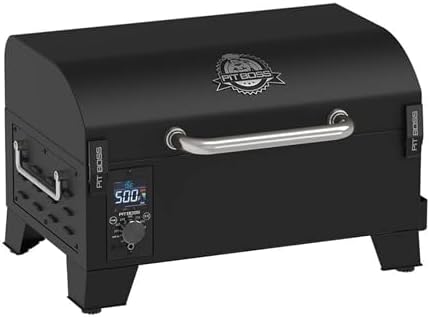
Pit Boss 150 Wood Pellet Grill & Smoker with Flame Broiler 256-Sq. In. Cookin...
Dirt cheap, perfect for tailgates, gets the job done
Visit on Amazon →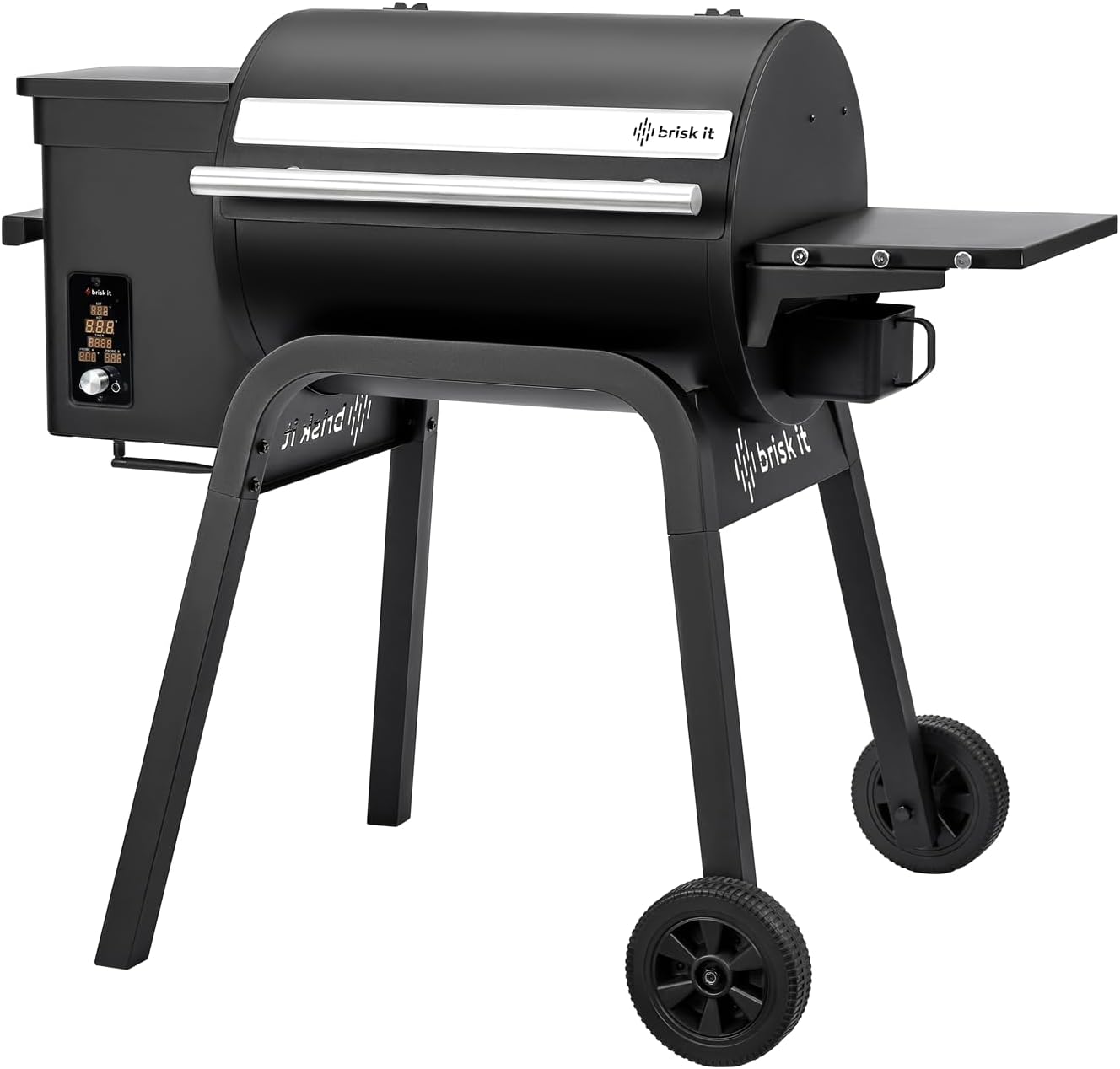
Brisk It Zelos-450 Wood Pellet Grill & Smoker, 450 Sq In, WiFi and A.I.
WiFi app control, A.I. temp learning, 450 sq in
Visit on Amazon →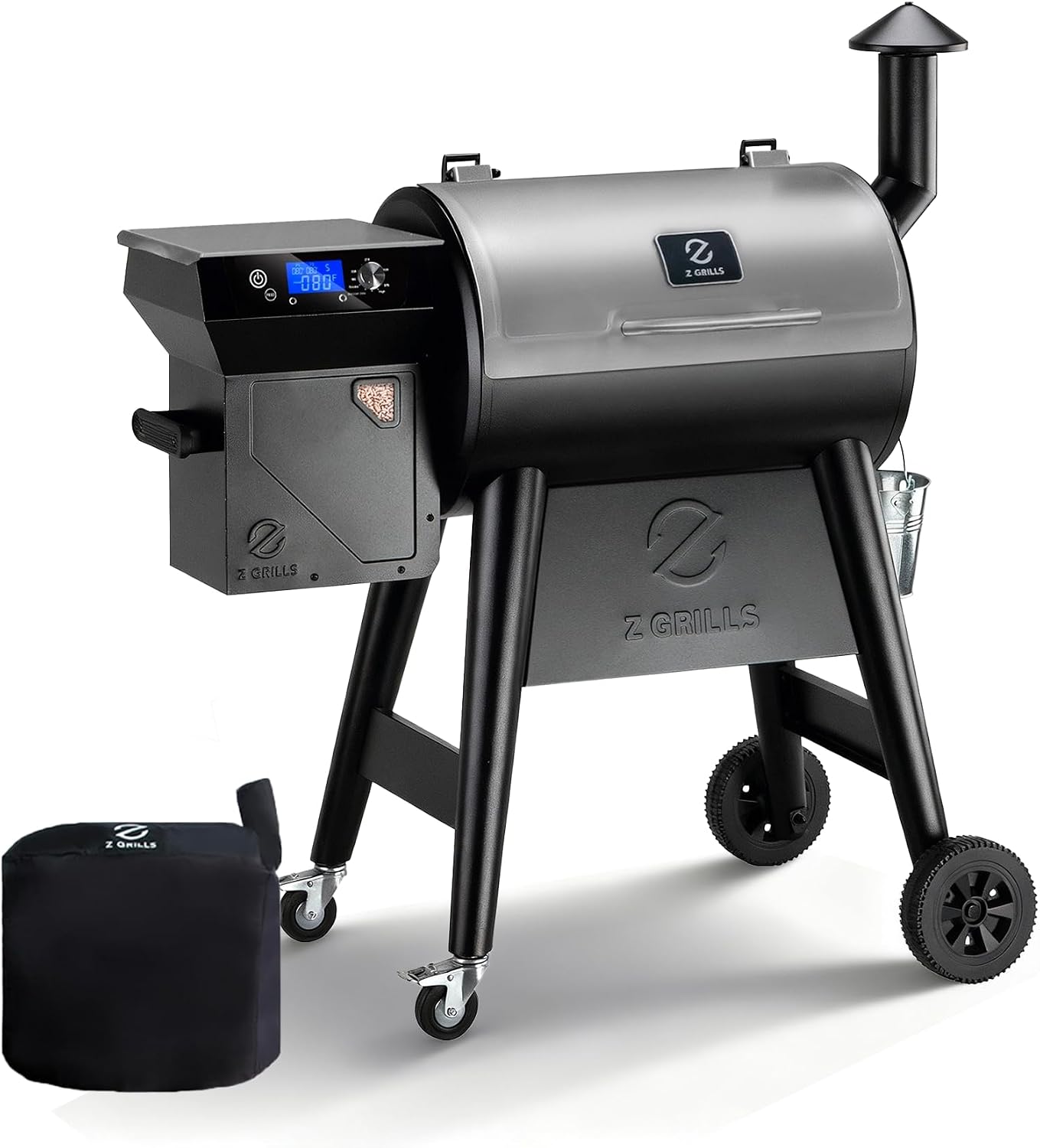
Z GRILLS 450E Pellet Smoker Grill, PID 3.0, 180-450°F Temperature
PID V3.0 controller, 450 sq in, great value
Visit on Amazon →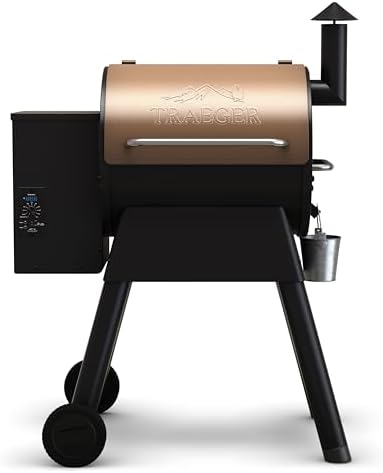
Traeger Pro 22 Wood Pellet Grill & Smoker, 572 Sq In
All the cooking space and grillside features you need, with not a flame wasted. This smoker grill combo for backyard outdoor cooking, is fed with all-natural hardwood pellets and sets a new standard f
Visit on Amazon →How I Test
I don't do unboxing videos. I do 14-hour pork shoulders, poor man's briskets, and 21-pound turkeys that barely fit on the grate. I log the outside temp, the wind, the pellet brand, the set temp, the actual temp from my ThermoPro, and the final result. Every single cook. That's twenty years of data, and it's the only reference I trust.
For this round, I ran each unit through the same gauntlet: a 3-4lb poor man's brisket at 225°F set temp, a cold windy day test, and a 14-hour overnight pork shoulder for the units that earned it. I also checked the fire pot after every cook, because I've seen thermal runaway once and I never want to see it again. My dog Sarge supervised all of it from the deck, and he's got a nose for good bark.
Pit Boss 500 Carbon Series
This is the one I'd spend my own money on. The PID controller is the difference maker. My ThermoPro showed a 12-degree swing over a six-hour cook, which is genuinely tight for this price range. The display was actually close to the truth, too, which puts it ahead of most of what I've tested.
 Visit on Amazon →
The Flame Broiler slide plate gives you a ripping direct flame for searing steaks, and it works. I flipped it open after a low and slow session, cranked the temp, and got a crust on a ribeye that would pass muster at a competition. That's a feature you won't find on a Traeger at this price.
Visit on Amazon →
The Flame Broiler slide plate gives you a ripping direct flame for searing steaks, and it works. I flipped it open after a low and slow session, cranked the temp, and got a crust on a ribeye that would pass muster at a competition. That's a feature you won't find on a Traeger at this price.
The hopper is the weak spot. It's not huge, so on a long cook you're getting up to feed it every 4 hours or so. That's the same complaint I've seen from multiple owners who run overnight cooks. Budget for that before you buy.
Steel thickness is decent for the price. Not competition-grade, but it won't warp on you in year one. The fire pot is accessible and easy to clean, which is non-negotiable in my book. If you don't clean the fire pot after every 3-4 short cooks, you're asking for trouble.
Pit Boss 500 FB2 Series
This is the value pick. At roughly ~$329, it's a legit workhorse that gets the job done. The Flame Broiler searing is the same mechanism as the Carbon Series, and it performs. I seared burgers and brats on it, and the direct flame crust was exactly what you want.
Visit on Amazon →
The catch is the controller. It's not a PID, so the temperature swings are wider. My ThermoPro caught it drifting 25-30 degrees on a cold day. The meat came out fine anyway, because the meat is the final judge, but you'll need to babysit it more than the Carbon Series.
Owners report the same thing. One verified buyer from Ohio noted the temp swings but said the pulled pork was perfect after a 10-hour cook. That's the pattern: this smoker lies to you, but the meat tells the truth.
If you're on a tight budget and you're willing to trust your ThermoPro over the display, this is a solid buy. Just plan on cleaning the fire pot regularly and learning the unit's quirks.
Pit Boss 150
This little unit is for one thing: portability. At ~$199 and a compact footprint, it's a tailgate or RV machine. I took it camping and it handled burgers, chicken thighs, and a small pork butt without complaint.
Visit on Amazon →
The hopper is small, which is the trade-off for the size. Figure on feeding it every 3 hours on a long cook. That's manageable for a day cook, but forget about overnight brisket on this thing.
Wind is the enemy. It will struggle a little on a cold windy day, but hell, who doesn't. If you're cooking in the open, find a windbreak or you'll be chasing temps all afternoon.
For what it is, it works. It's not going to replace your big rig, but it's a legit option if you need something that travels. Just don't expect it to hold a 14-hour cook without attention.
Zelos-450 WiFi
This is the interesting one. A WiFi-connected pellet smoker with an A.I. temp learning feature, priced at ~$449. The app is actually decent, and the ability to monitor and adjust from my phone is a real convenience. I set a cook from my couch, which felt like the future.
The A.I. learning is real, too. After a few cooks, it started anticipating temp swings and adjusting the auger before my ThermoPro even registered a change. That's impressive tech for under ~$500.
The risk is the brand. It's newer, and the long-term reliability is unproven. I've seen too many controllers go rogue on budget units to fully trust an app-dependent system. If the WiFi module fails, you're stuck with a dumb controller and a bricked app.
It's a gamble. If you're an early adopter who likes tech, it could be great. If you want a machine that just works for a decade, stick with the Pit Boss units. I'm keeping an eye on this one, but I'm not ready to recommend it without a longer track record.
Z GRILLS ZPG-450A2
The Z GRILLS is the budget PID option. At ~$299, you get a 450 sq in cooking area and a PID V3.0 controller that holds temp reasonably well. My ThermoPro showed about a 15-degree swing, which is acceptable at this price.
The downside is smoke flavor. The board has a lot of vent holes, and the smoke escapes instead of smothering the meat. You get lightly kissed, not smoky bark. Apple and cherry pellets help, but if you're chasing heavy smoke, this isn't the one.
Owners echo this. One verified buyer said the flavor was "mild" and they had to use a smoke tube to get the profile they wanted. That's extra gear and extra hassle.
The steel is thinner than the Pit Boss units, so it runs a bit hot in the summer and struggles in the cold. It's a fair machine for the price, but it's not a flavor machine. If you're a beginner who wants to learn the basics, it's fine. If you want real smoke, look at the Pit Boss.
Traeger Pro 22
The benchmark. At ~$499, it's at the very top of your budget, and you're paying for the name, the WiFi, and the reliability. Traeger is the reference point every other grill gets compared to, and this one holds a temp with the best of them.
Visit on Amazon →
The problem is smoke flavor. Traeger's design vents aggressively, so you get a mild smoke profile. My wife, who only tolerates mild smoke, loves it. I find it too light. For a guy who wants smoky bark, this is a compromise.
The other issue is searing. There's no direct flame option, so you're not getting a crust on a ribeye from this unit. You'll need a separate grill or a cast iron pan.
It's a quality machine. If you want reliability and you're fine with mild flavor, it's a great pick. If you want smoke and searing, the Pit Boss Carbon Series gives you more for less.
Compared To
The Pit Boss Carbon Series is the best all-rounder under ~$500. It beats the Traeger on smoke flavor and searing, and it beats the Z GRILLS on build quality and smoke. It doesn't have the WiFi convenience of the Zelos, but it doesn't have the app dependency either.
If you need the cheapest option that works, the Pit Boss 150 is the one. If you want the best value, the FB2 Series is hard to beat. If you want the most tech for the money, the Zelos is interesting but risky.
Should You Buy It?
If you want a pellet smoker under ~$500 that delivers real smoke flavor, sears a steak properly, and won't fall apart in year one, buy the Pit Boss Carbon Series. It's the best balance of performance, features, and price I've tested. If your budget is tighter, the FB2 Series will get you there with a bit more babysitting.
If you're a tech enthusiast who likes tinkering with apps and doesn't mind some risk, the Zelos is worth a shot. Just keep your fire extinguisher handy and clean that fire pot.
What I'm Testing Next
I've got a 14-hour pork shoulder scheduled for the Zelos this weekend, and I'm logging a cold-weather comparison between the Pit Boss Carbon Series and the FB2 Series. I'll update this piece when the data comes in. The meat is the final judge, and the meat hasn't finished talking yet.