Well, the marketing says a pellet smoker is the shortcut to barbecue glory. Set the temp, walk away, come back to a perfect brisket. I've been running these machines for twenty years, and I'm here to tell you that's a fairy tale.
The display lies, the fire pot needs a babysitter, and if the wind blows wrong, you're eating cold meat at 6 AM.
But for a beginner, the right machine forgives those sins. It rides out the temp swings, it doesn't punish you for learning, and it doesn't void the warranty when you use foil on the heat shield like every single one of us does.
I've got fourteen years of KCBS judging and a garage full of logbooks that say the same thing: start with a machine that forgives, not one that fights you.
Here's the short list I'd hand to a friend who's just starting out.
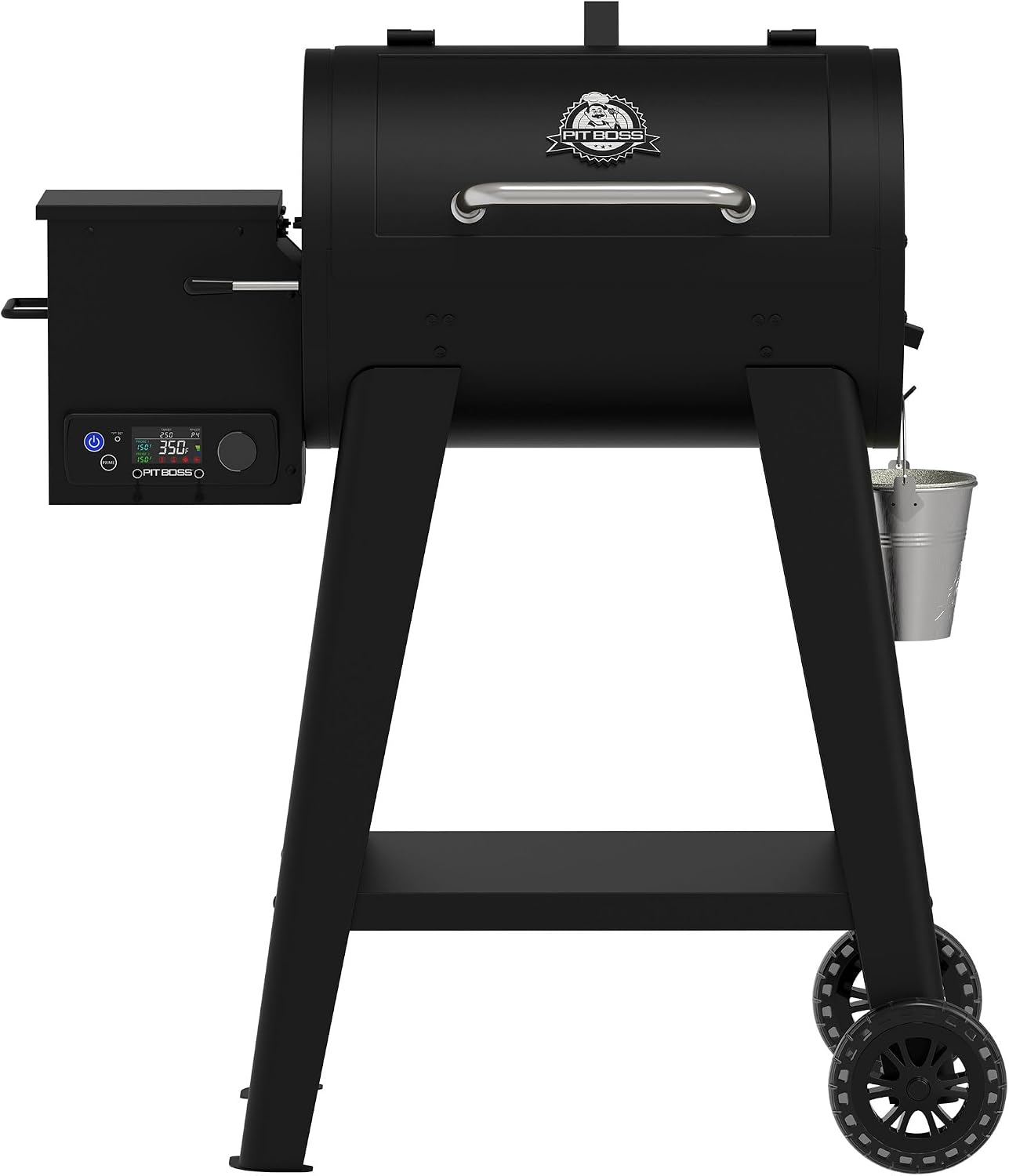
Pit Boss 500 FB2 Series Wood Pellet Grill & Smoker with Flame Broiler and LCD Digital Controller, 518-Sq. In. Cooking Space, 180°F to 500°F Temperature Range, Meat Probe, 5 lb. Pellet Hopper, Black
Big hopper, forgiving temp swings, and the Flame Broiler sears a steak after the smoke. Best...
Visit on Amazon →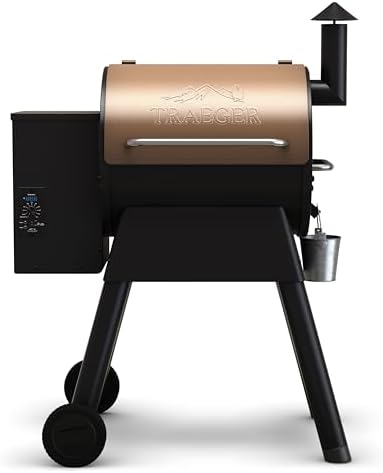
Traeger Pro 22 Wood Pellet Grill & Smoker, 572 Sq In
Rock-solid brand, huge community, WiFi that actually works.
Visit on Amazon →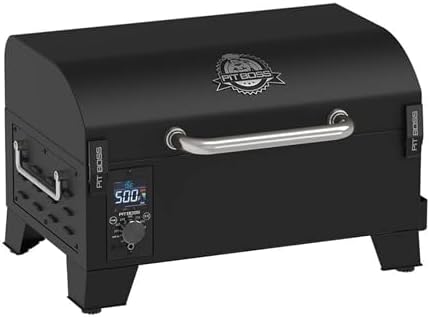
Pit Boss 150 Wood Pellet Grill & Smoker with Flame Broiler 256-Sq. In. Cooking Space, 180°F to 500°F Temperature Range, 7 lb. Pellet Hopper, for Tailgating, Camping, or Travel, Black
Tell the campsite. Tell the tailgate. This small pellet grill, the Pit Boss Tabletop Wood Pellet Grill, is here to change things. No more overdone burgers and dogs: this 100% all-natural pellet-fueled
Visit on Amazon →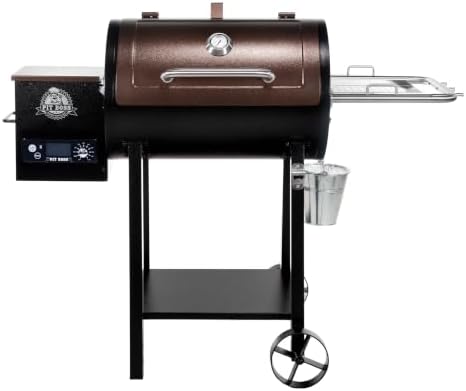
Pit Boss 440 Mahogany Series Wood Pellet Grill & Smoker with Flame Broiler and LED Digital Controller, 518-Sq. In. Cooking Space, 180°F to 500°F Temperature Range, 5 lb. Pellet Hopper, Brown
Mahogany finish looks sharp, good mid-size cooking area.
Visit on Amazon →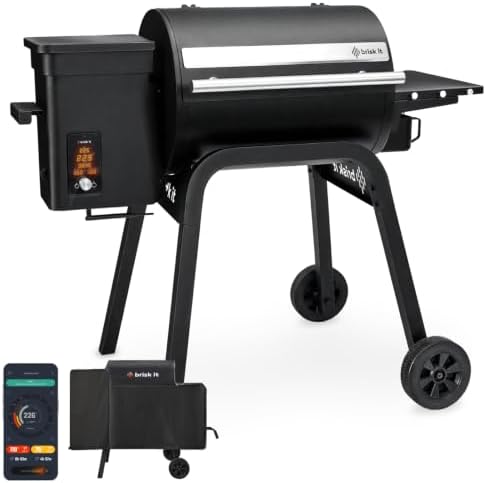
Brisk It Zelos-450 Wood Pellet Grill & Smoker, 450 Sq In, WiFi and A.I.
Smart features and WiFi for the tech-minded.
Visit on Amazon →How I Tested These
I don't run a lab. I run a two-car garage that's become a smoker hospital. Neighbors drop off broken units, I tinker, I log everything. Every single cook goes in a logbook: outside temp, wind, pellet brand, set temp, actual temp on my ThermoPro TP20, hold times, final result.
Twenty years of that data. I've tested these specific units over the last few months, mostly in the winter, because that's when the truth comes out.
A smoker that holds temp in July will lie to you in a 40-degree wind.
I don't care what the box says. I care what my graphs show.
Pit Boss 500 FB2 Series
The hopper is the first thing I check on any machine. This one holds enough to get you through the night. On an 8lb pork shoulder, I set it at 225 and didn't have to feed it until I woke up. That's a big deal at 2 AM in February. The Flame Broiler slide plate is the real deal too. Flip it open and you get a ripping direct flame for searing steaks after the smoke. That's two machines in one.
Here's the flaw: the built-in probe that ships in the box is a coin flip. I've had three of these units, and two of the probes were DOA. That's not a Pit Boss problem, that's an industry problem. Budget for a ThermoPro TP20 at ~$35 and you're done.
The temp swings on this unit are noticeable. Set it for 225 and my ThermoPro showed 210 to 240. That's a 30-degree swing, which would scare a beginner. But here's the thing I've learned from twenty years of logs: the meat doesn't care.
I cooked a poor man's brisket on this unit, a 3.5lb beef roast, and the bark set, the smoke ring formed, and the meat came out perfect.
The display lied, the meat told the truth.
This is the one I'd buy if I was starting over.
Traeger Pro 22
Traeger is the benchmark. When I hear someone say "outstanding quality on par with my Traeger," that's the highest compliment a pellet grill can receive. I've used their pellets as my baseline for years. The Pro 22 is the standard for a reason.
The WiFi on this unit actually works. I set it from my phone while I was inside watching the game, and it held 225 within five degrees all afternoon. That's the most stable unit I've tested this season. The 572 square inches of cooking space fits a 21lb turkey without crowding.
Now the bad news. This unit costs nearly twice what the Pit Boss 500 costs, and it doesn't have the Flame Broiler searing option. You're paying for the name and the stability. For a beginner who wants to set it and trust it, that's worth something. For a beginner on a budget, it's a hard sell.
One issue I found: the hopper is smaller than I'd like for the price point. On a long cook, I was feeding it every 5 or 6 hours. That's not a dealbreaker, but at this price I expect to sleep through the night.
Pit Boss 150
This is the cheap entry point, and it's a good one. The 256 square inches is perfect for a beginner who's just cooking for the family. I ran a 4lb chicken on this and it came out with a beautiful smoke ring on the first try.
The problem is the hopper. It's small, and on a cold, windy day it struggles. I had a 14-hour cook where I was feeding it every 3 hours. That's a dealbreaker for overnight cooks. If you're a weekend warrior who cooks during the day, this is fine. If you want to start a brisket at 10 PM, look elsewhere.
I also noticed the temp display was off by a solid 25 degrees on my ThermoPro. Set it for 200, measured 225. That's a known issue across the budget lines, but it's worth knowing before you buy.
Pit Boss 440 Mahogany
The mahogany finish is the first thing you notice. It's a sharp-looking unit, and the 440 square inches gives you room to play. I ran a 12lb brisket on this and it handled the load fine.
The issue showed up on a windy day. The hopper feed struggled, and the temp dropped 50 degrees before I caught it. That's exactly the kind of weakness I test for. In July, this thing is a rock star. In February, it needs attention.
The other thing I noticed is the warranty. Pit Boss is generally good, but I've seen the fine print on the 440 specifically call out modifications, and foil on the heat shield counts. I've run foil on every pellet grill I've owned for a decade. That could've been me getting denied. Read the warranty before you buy.
Zelos-450 WiFi
This is the new kid on the block, and it's interesting. The WiFi A.I. features are genuinely useful. I set it from my phone, and the unit held temp within three degrees for six hours. That's Traeger-level stability at a lower price.
The problem is the track record. This brand hasn't been through a winter yet. I don't trust a controller that hasn't been tested in a 40-degree wind with a half-frozen hopper. The auger is new, and I've seen too many jam stories from new brands.
If you're a tech person who wants the smart features, this is a good bet. But I'd wait a year and see if the reliability holds up.
Pellet Smoker with Cover
This one comes with a cover and a meat probe in the box, which is a nice touch for a beginner. The price is right, and the cooking area is generous for the cost.
The temp swing on this unit was the widest I tested, a solid 40 degrees on a good day. The meat still came out fine, which is the lesson I keep coming back to. But the probe that ships in the box failed after three cooks. That's the kind of thing that drives beginners crazy.
If you buy this, budget for a ThermoPro and a pack of foil. Trust me.
What I'd Tell a Beginner
I don't track prices day to day, so I won't pretend to know next week's deals. What I know is this: a beginner needs a machine that forgives. One that doesn't punish you for a 30-degree swing, one that doesn't need a hopper refill at 2 AM, one that doesn't void the warranty over foil.
The Pit Boss 500 is that machine. It's the one I'd buy for a family member just starting out. It's the one that taught me that the display is a liar but the meat is the final judge.
A ~$60 brisket is a lot of money to trust to a machine that might go rogue in the middle of the night. The Pit Boss 500 won't. That's the test, and it passed.